An editorial perspective
Beyond the season
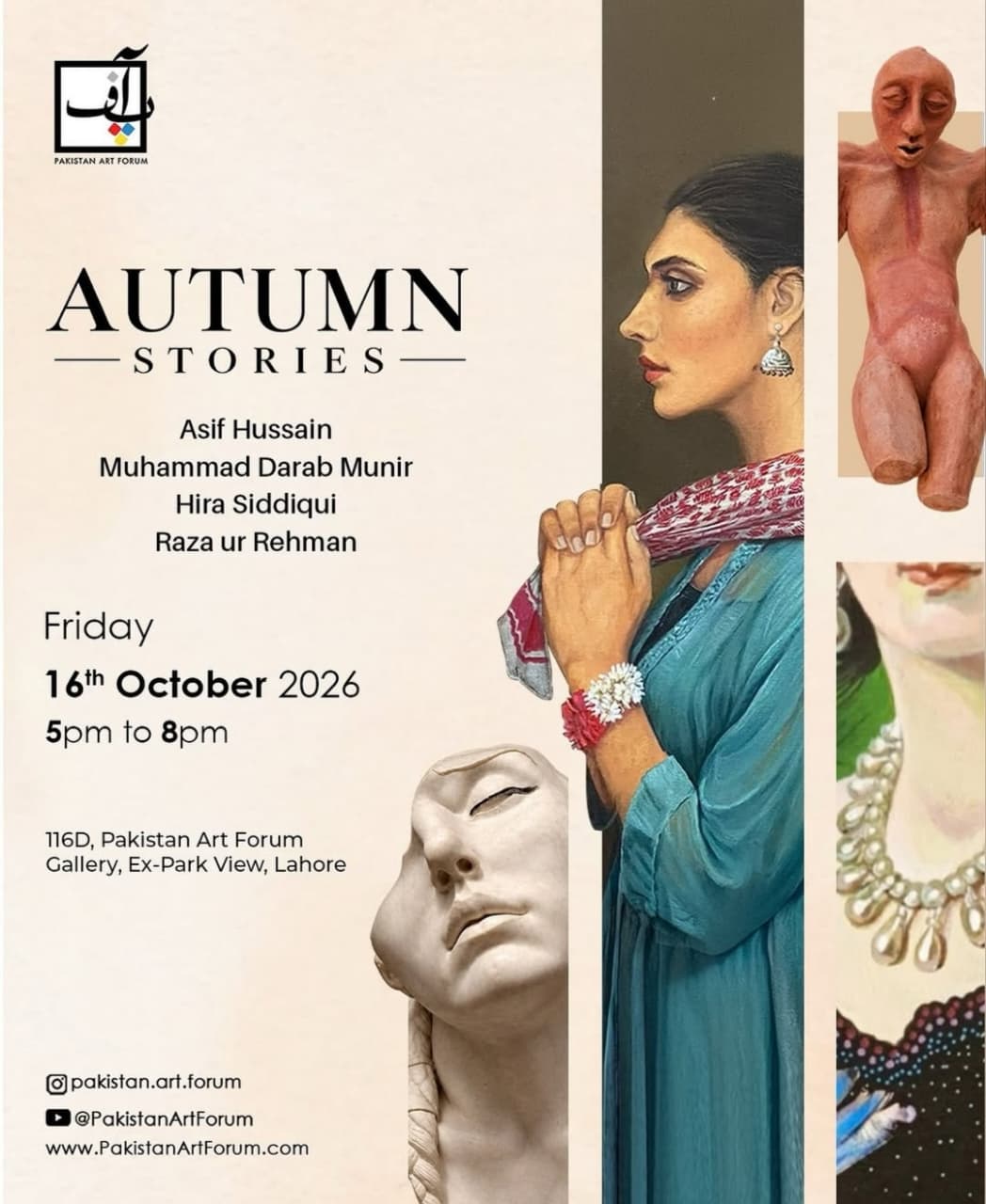
There is something evocative about the title Autumn Stories. It summons thoughts of transition, of what is held close and what must eventually be released. Presented at Pakistan Art Forum Gallery in Lahore, the exhibition brings together four artists whose practices approach those questions from strikingly different directions.
Asif Hussain, Muhammad Darab Munir, Hira Siddiqui and Raza ur Rehman work across painting and sculpture, moving between folklore, the physical body, dream imagery and mortality. Their artistic languages are distinct, yet each creates a space in which familiar images can take on more complicated emotional meanings.
Rather than treating the exhibition title as a literal seasonal theme, these works invite a wider reading of change and impermanence: a desire that cannot be fulfilled, a figure caught between strength and fragility, a remembered image reshaped by sleep, or a human form confronted by the certainty of death.
Art becomes a way of looking at what remains — and at what is quietly changing.
Four practices, four perspectives
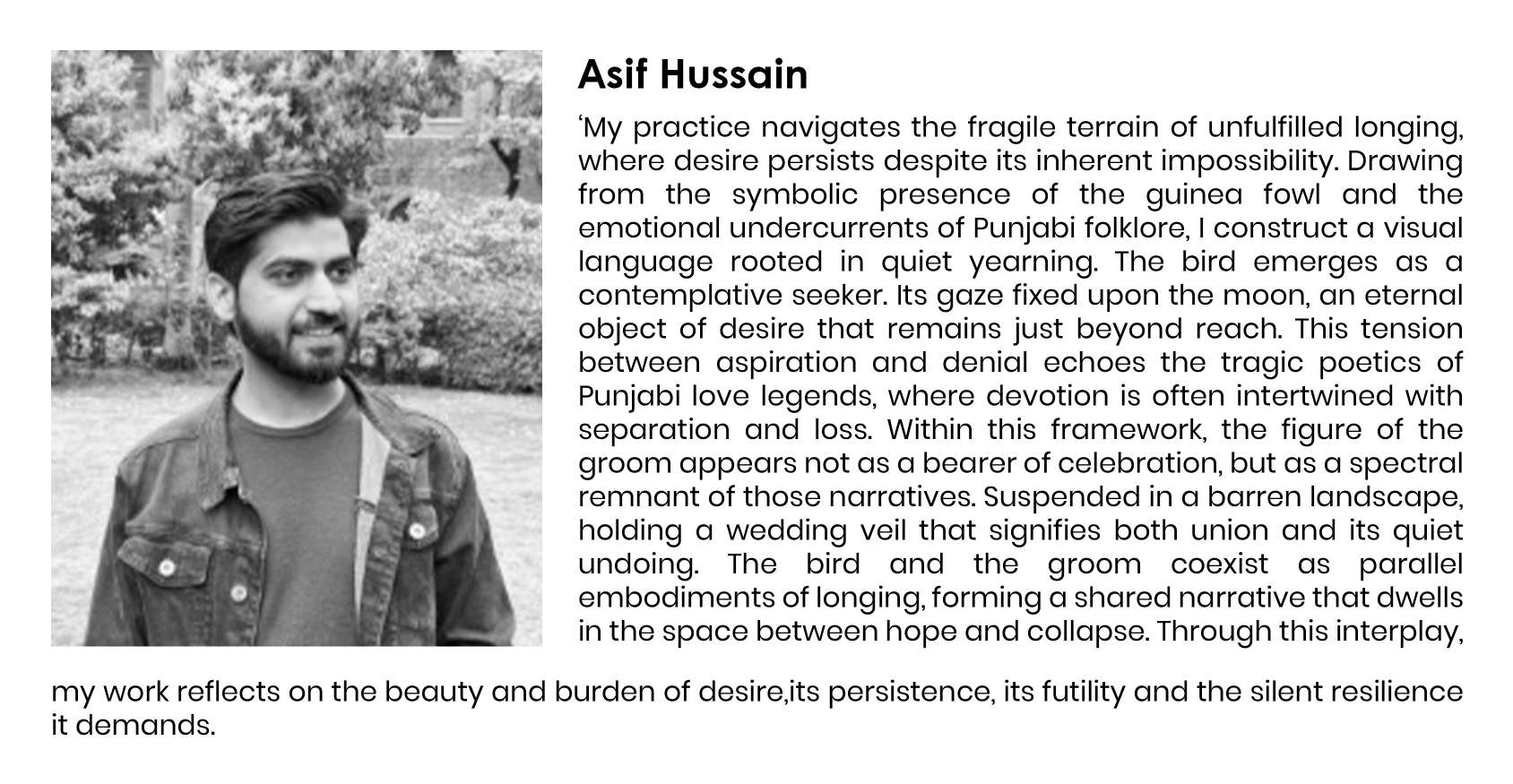
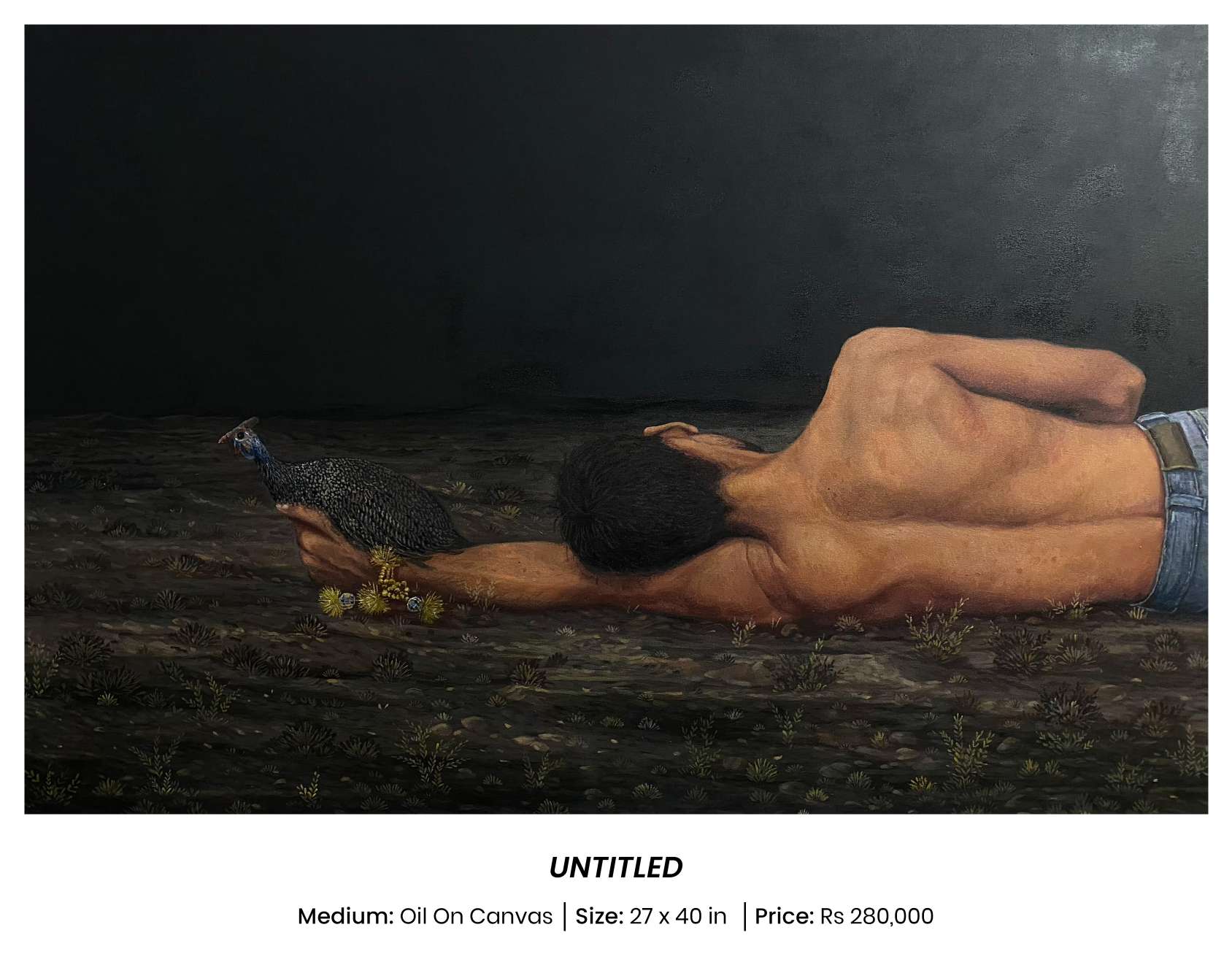
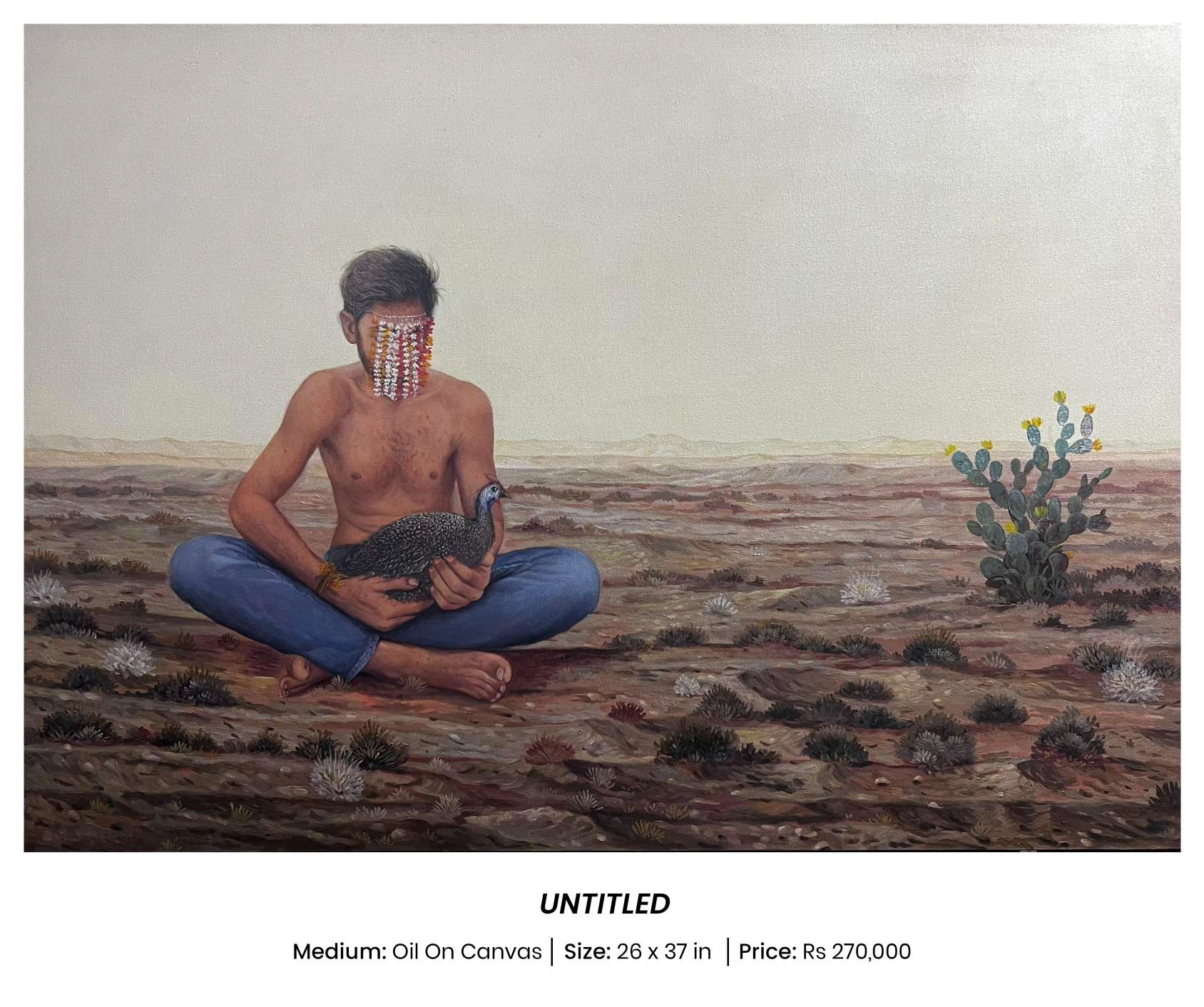
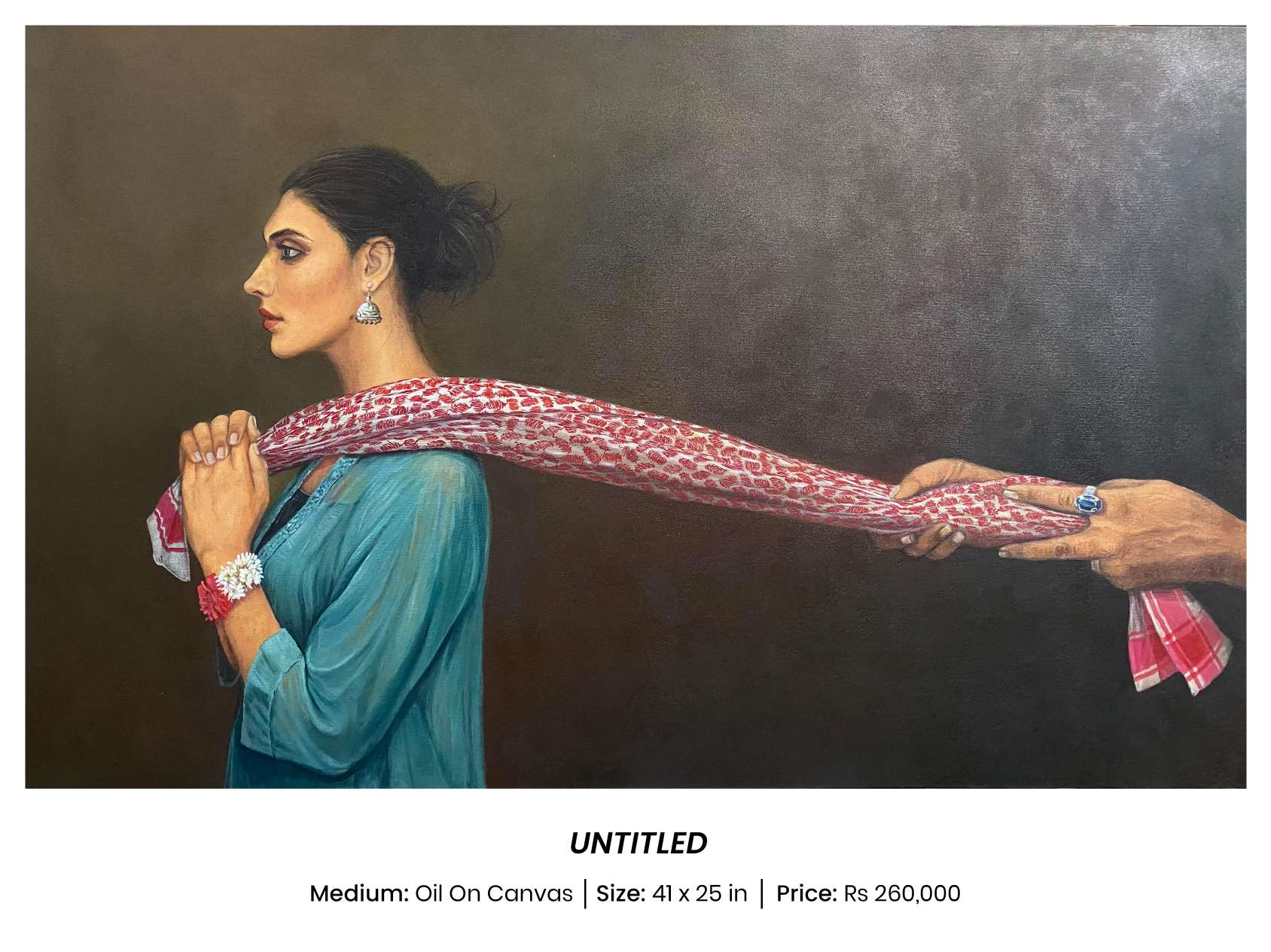
In Asif Hussain’s work, longing becomes almost tangible. Drawing on Punjabi folklore and the symbolic presence of the guinea fowl, the artist describes a world where devotion, distance and desire cannot easily be separated. His paintings present yearning not as a fleeting emotion but as an enduring condition.
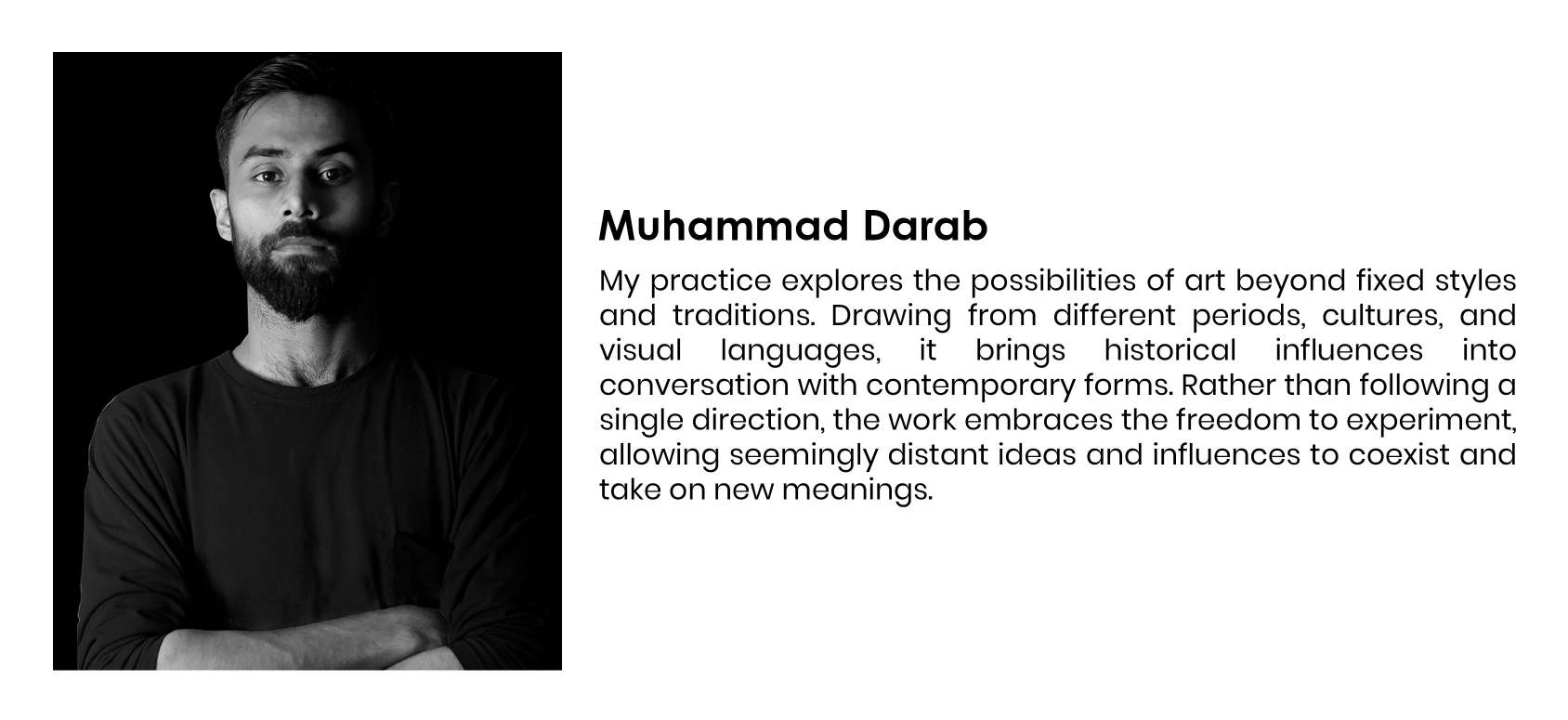
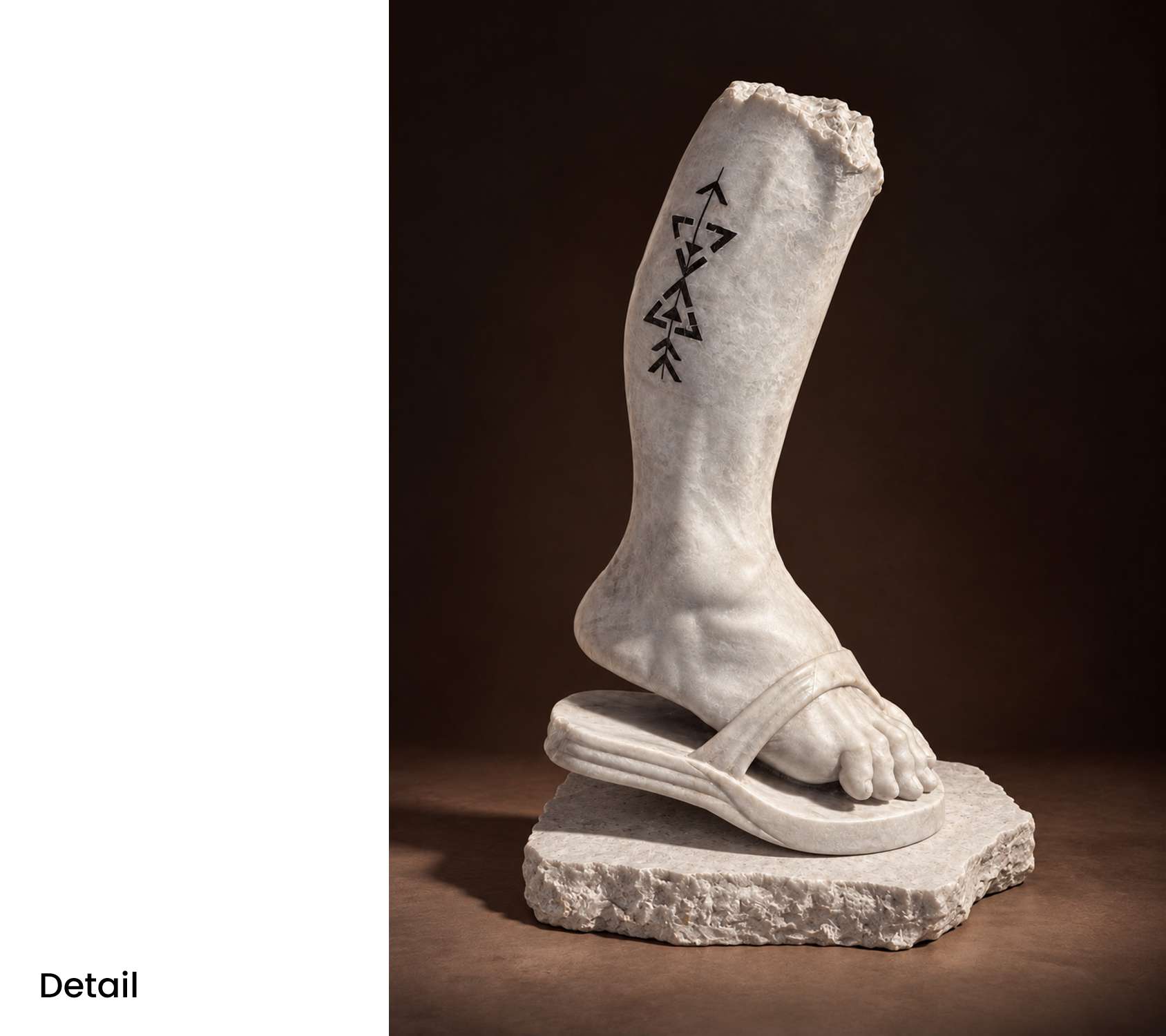
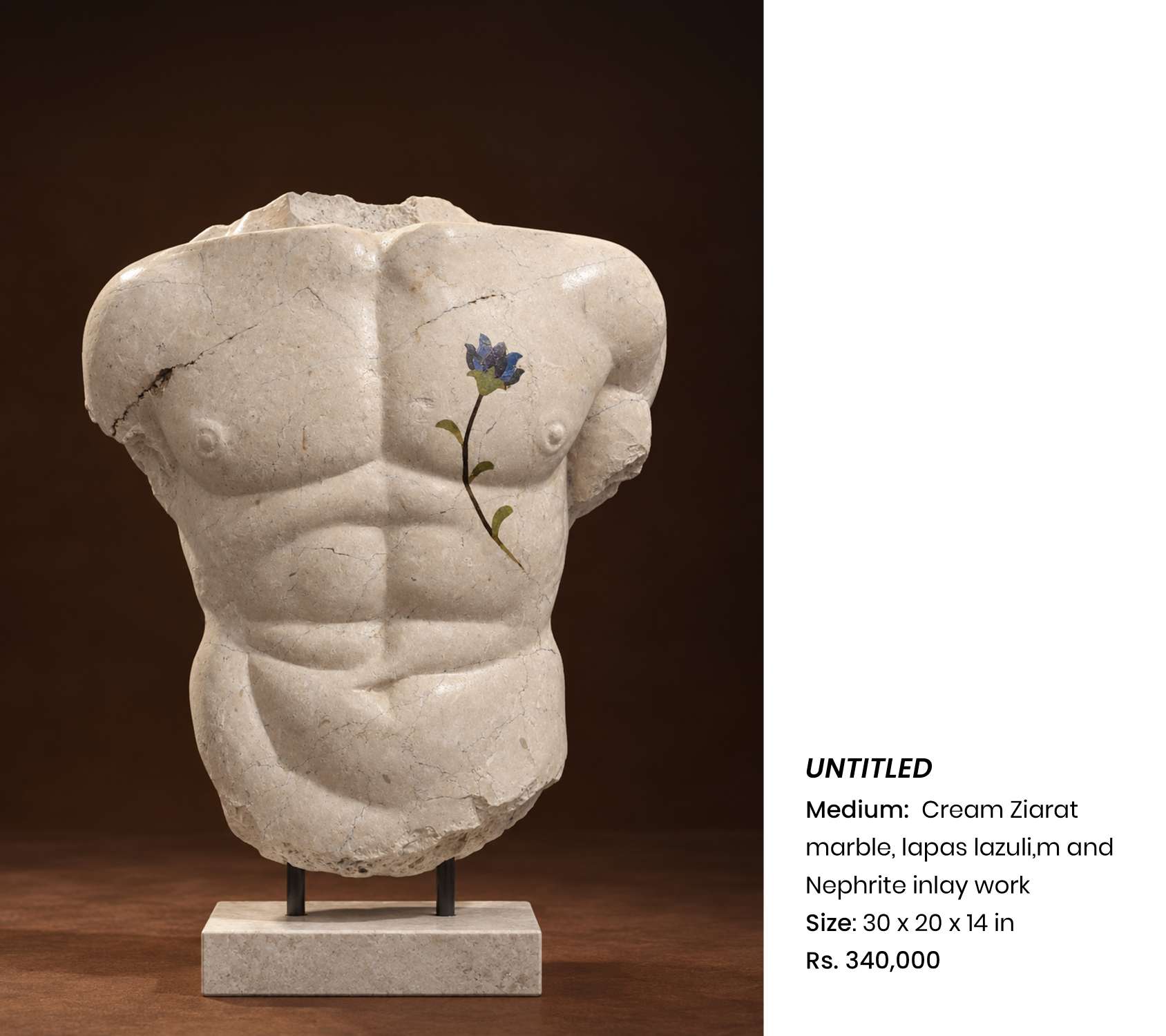
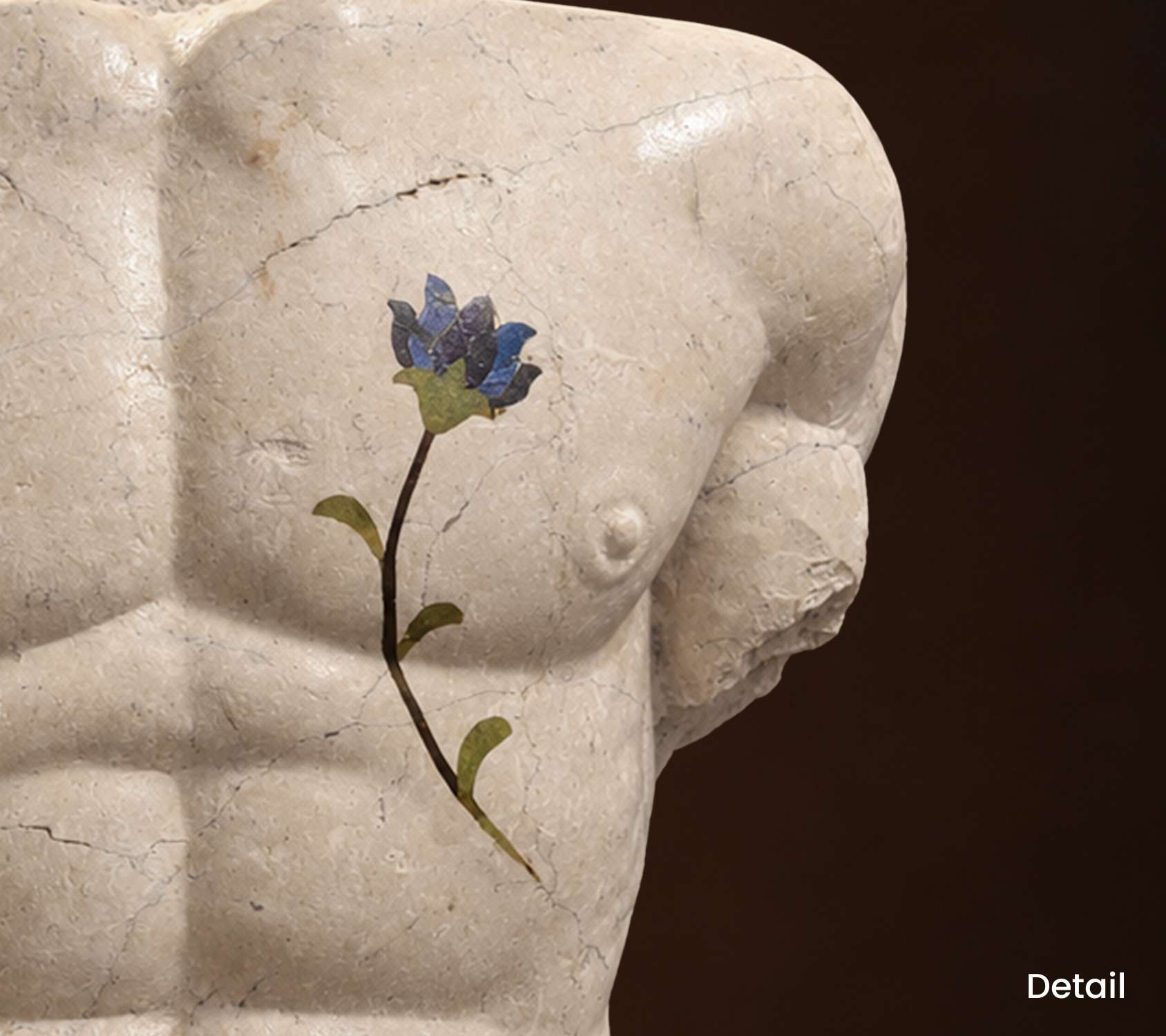
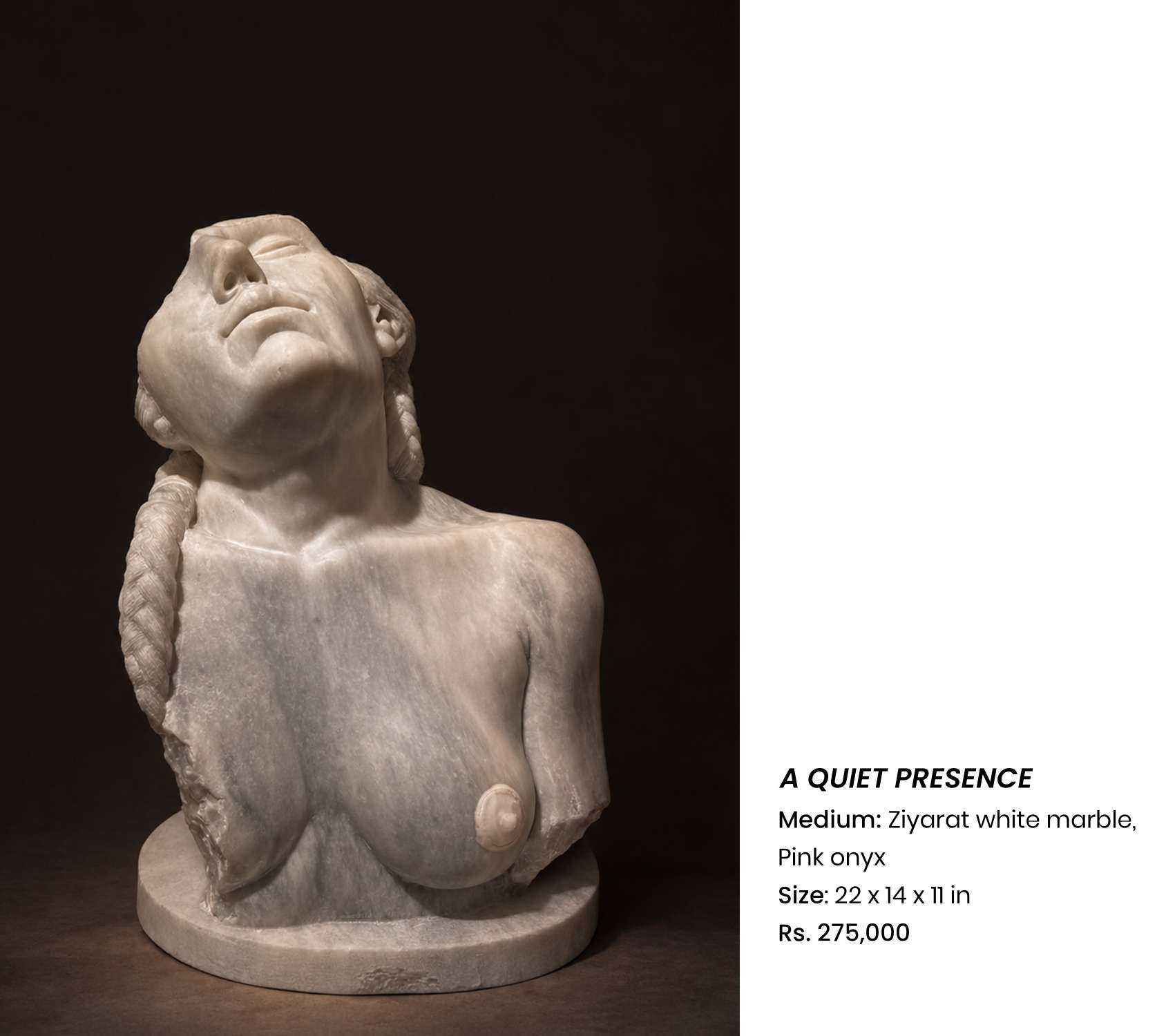
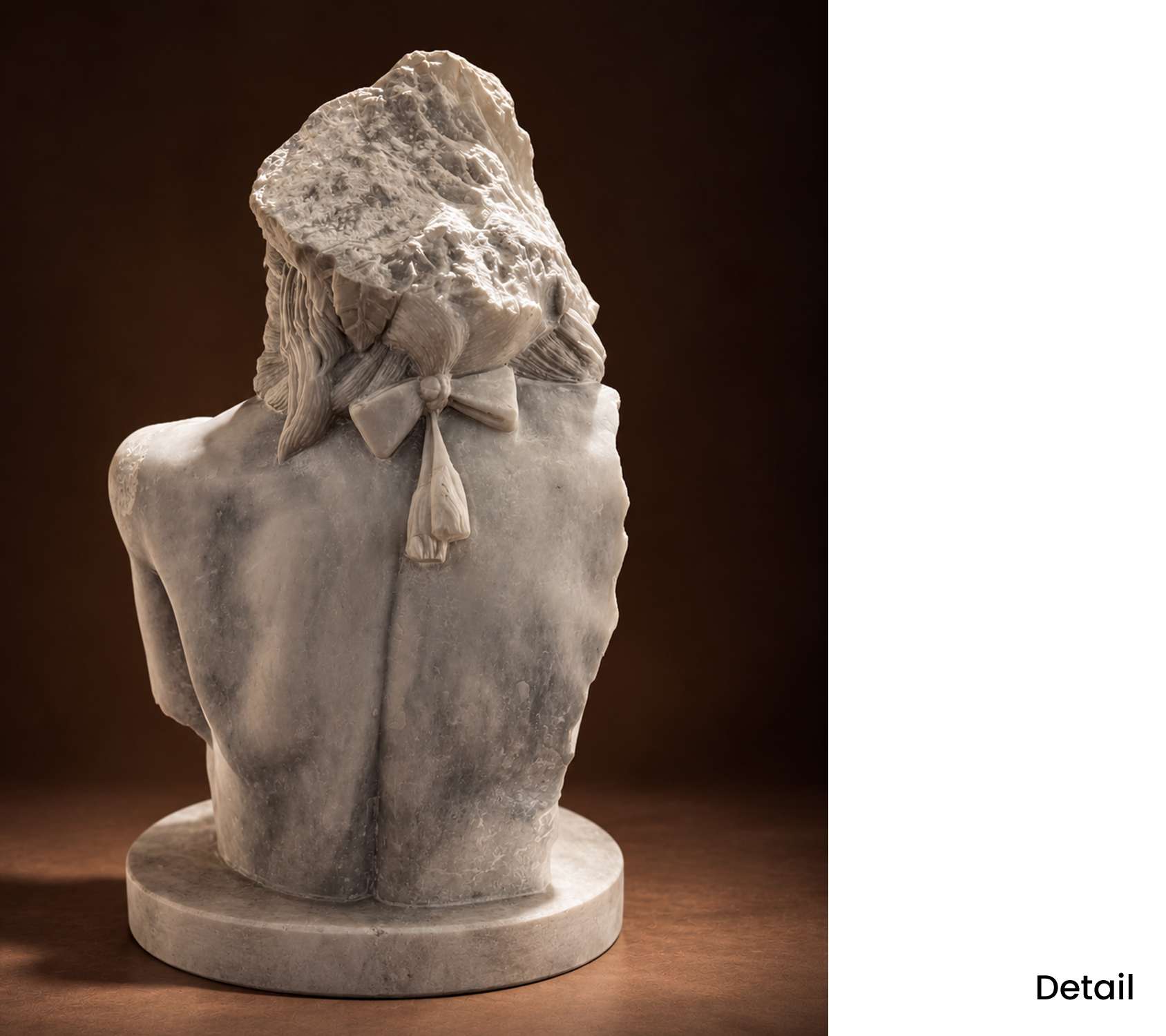
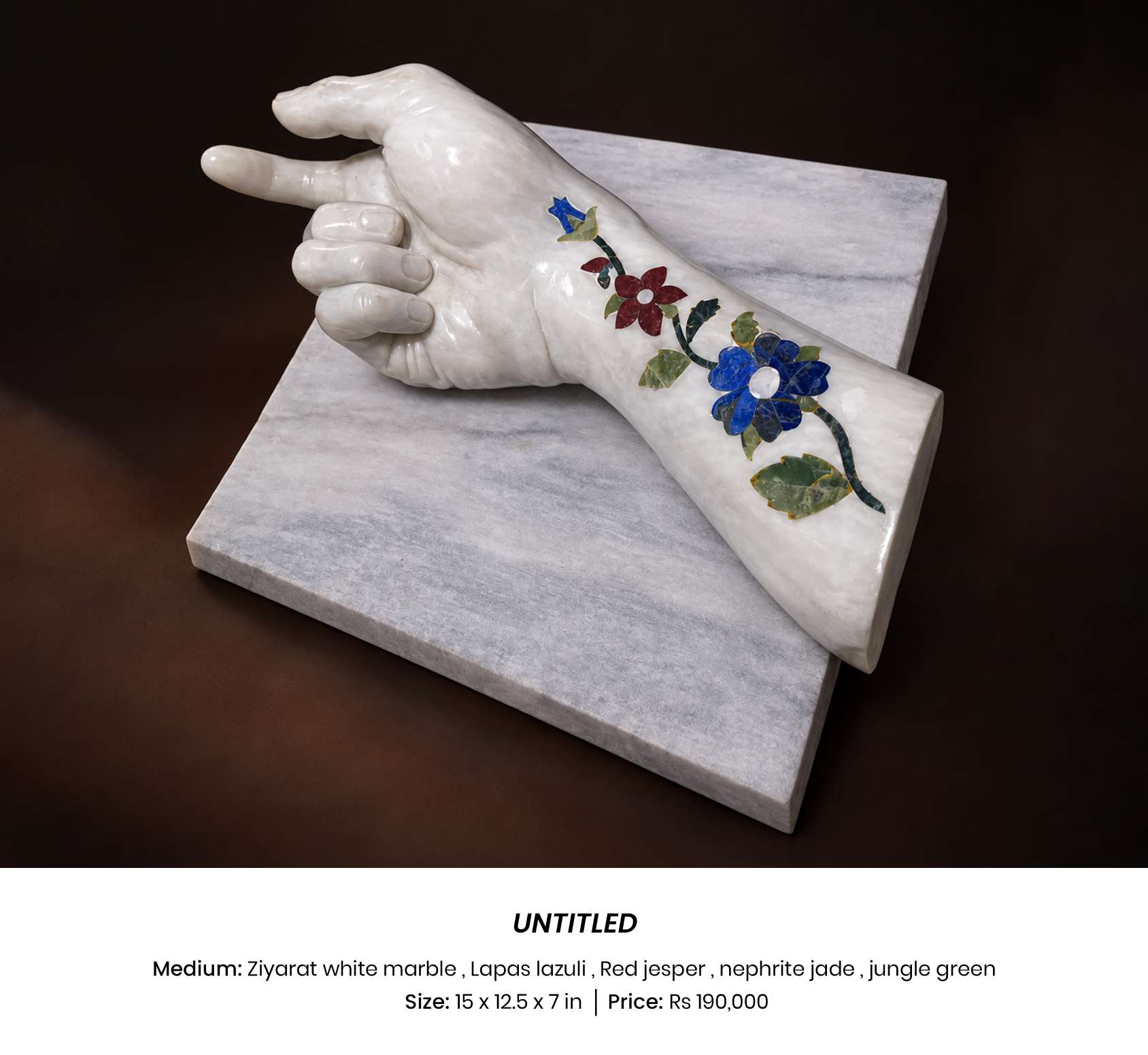
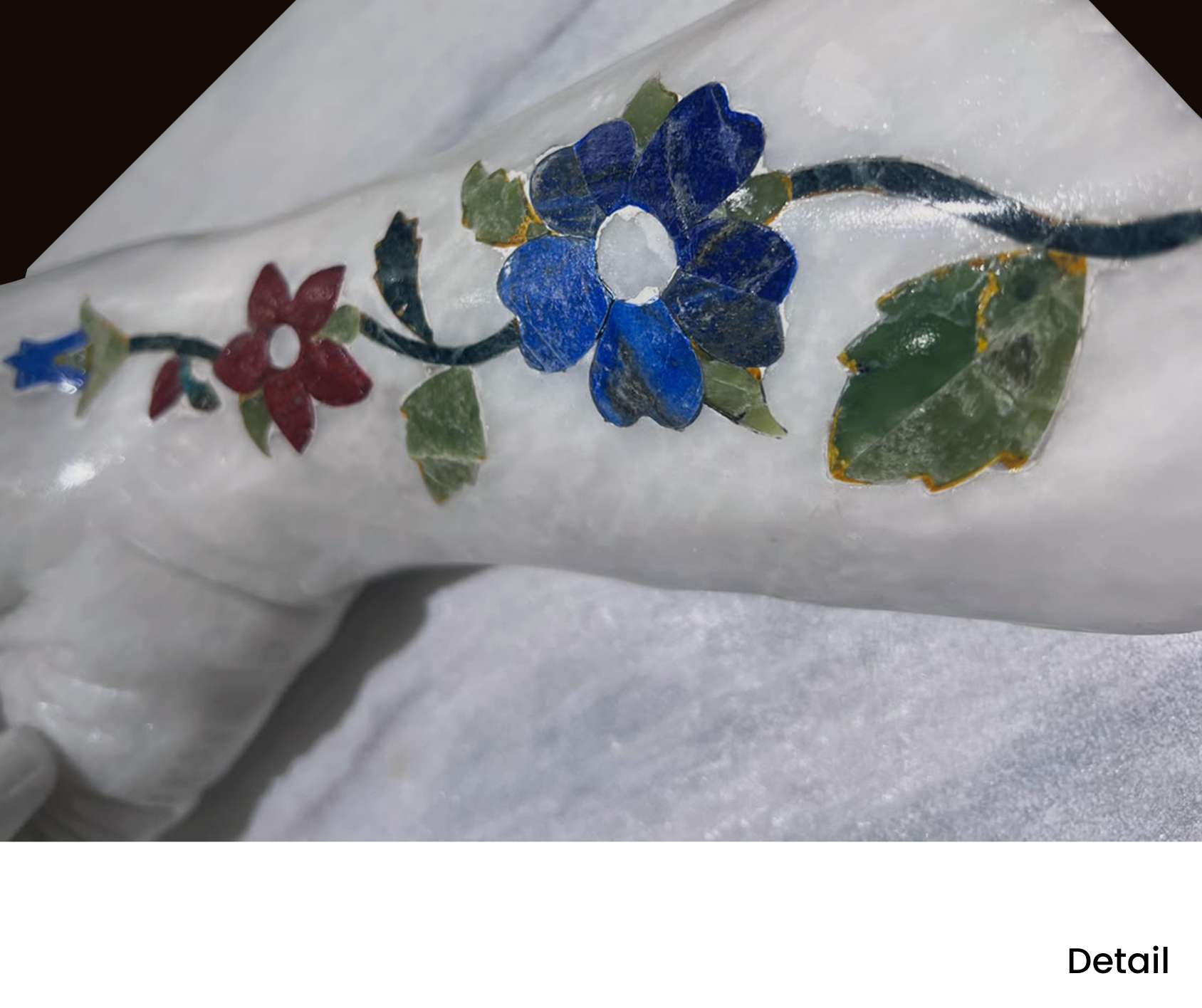
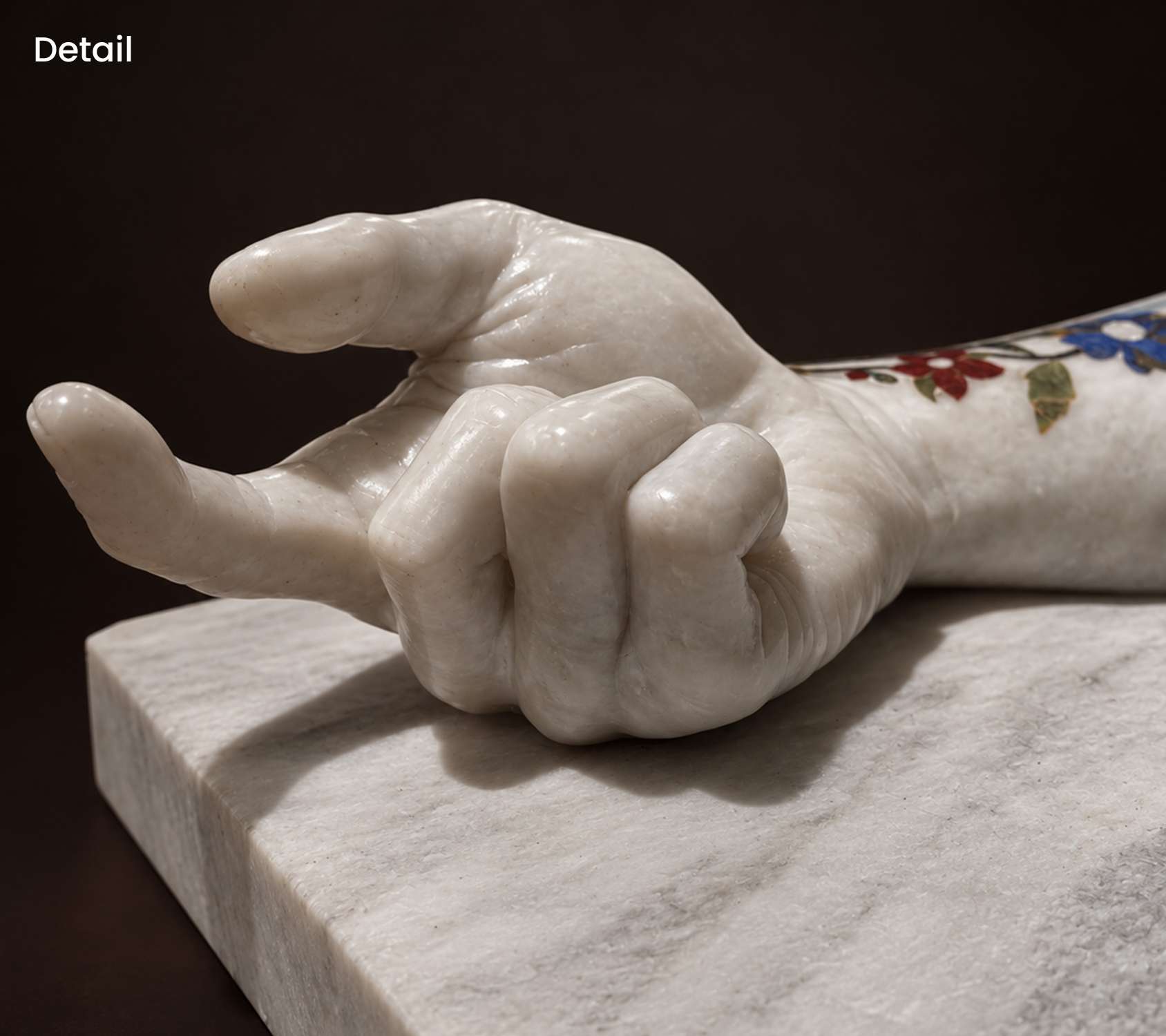
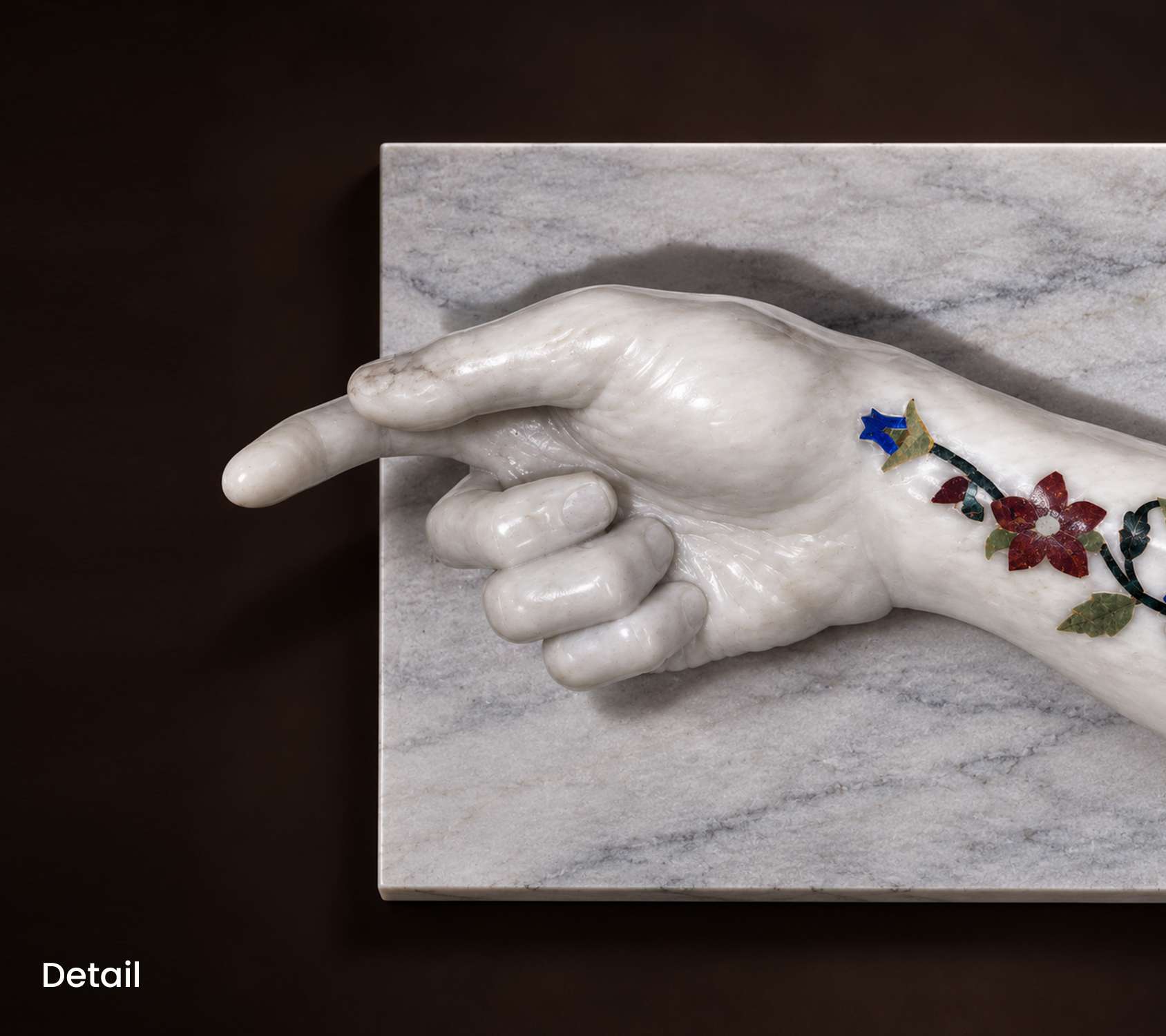
Muhammad Darab Munir explores the possibilities of sculpture outside fixed stylistic boundaries. His marble works bring the weight of classical form into dialogue with contemporary sensibilities. Fragments of the body, finely handled surfaces and delicate inlaid motifs invite viewers to reconsider how vulnerability and resilience can coexist in stone.
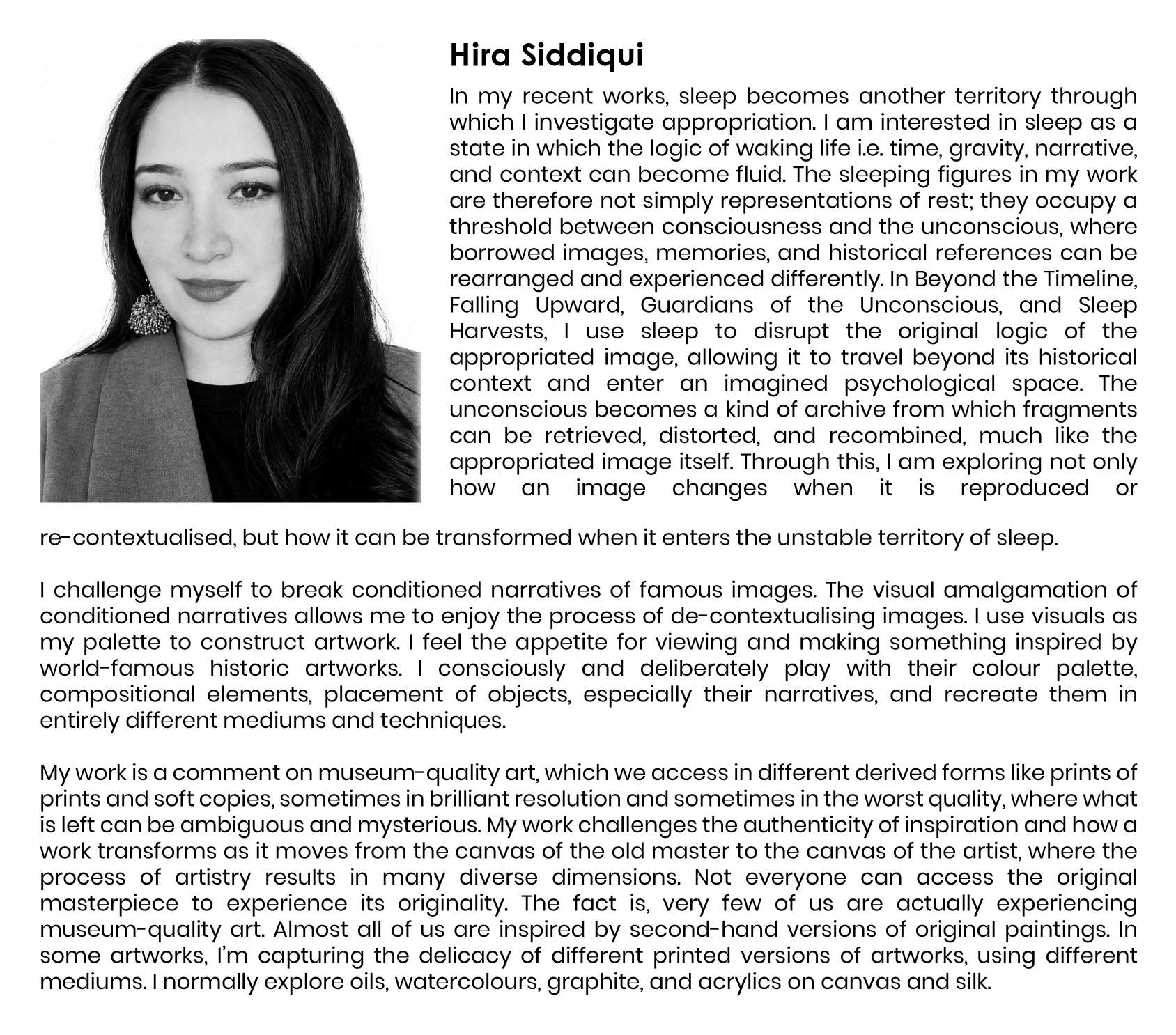
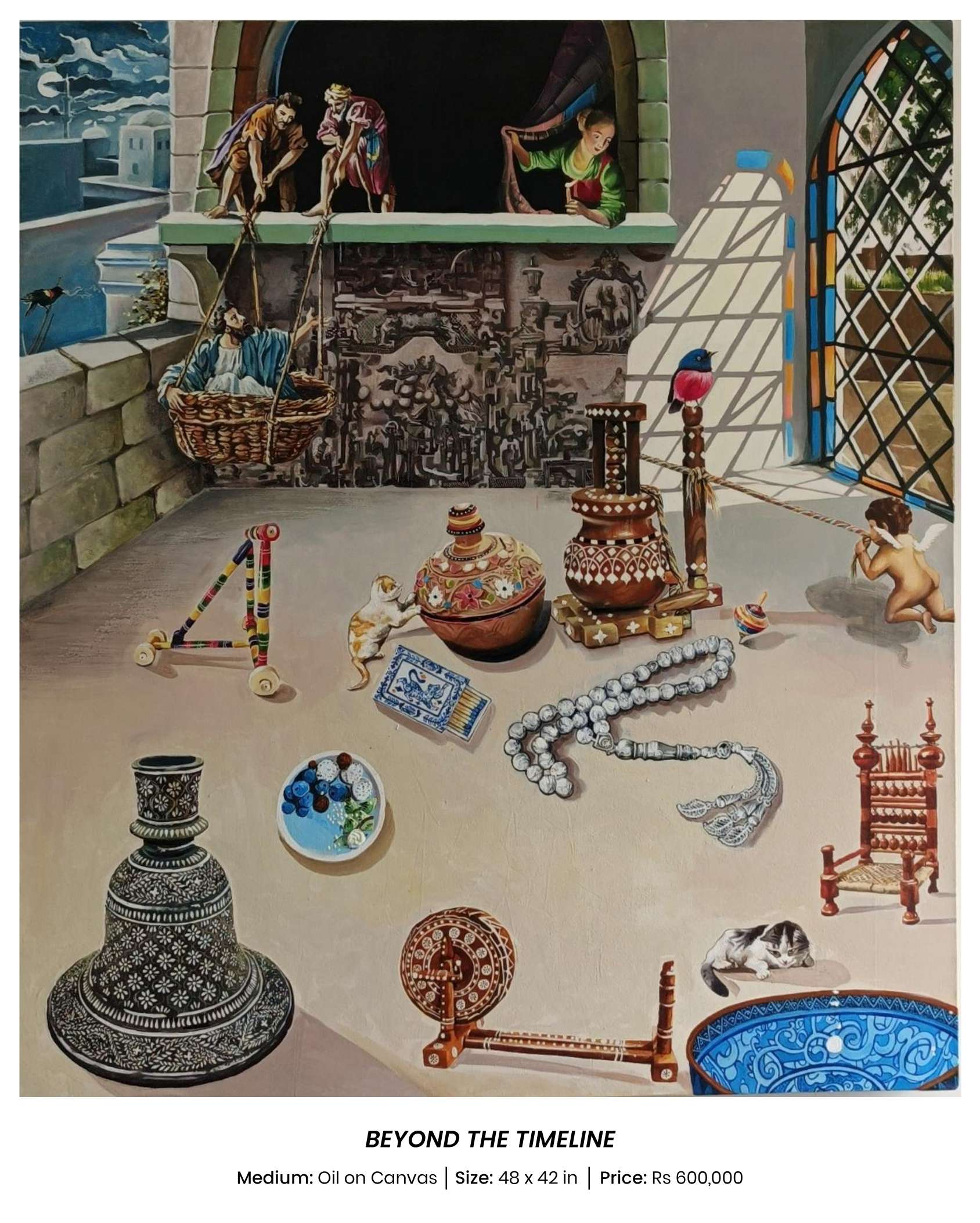
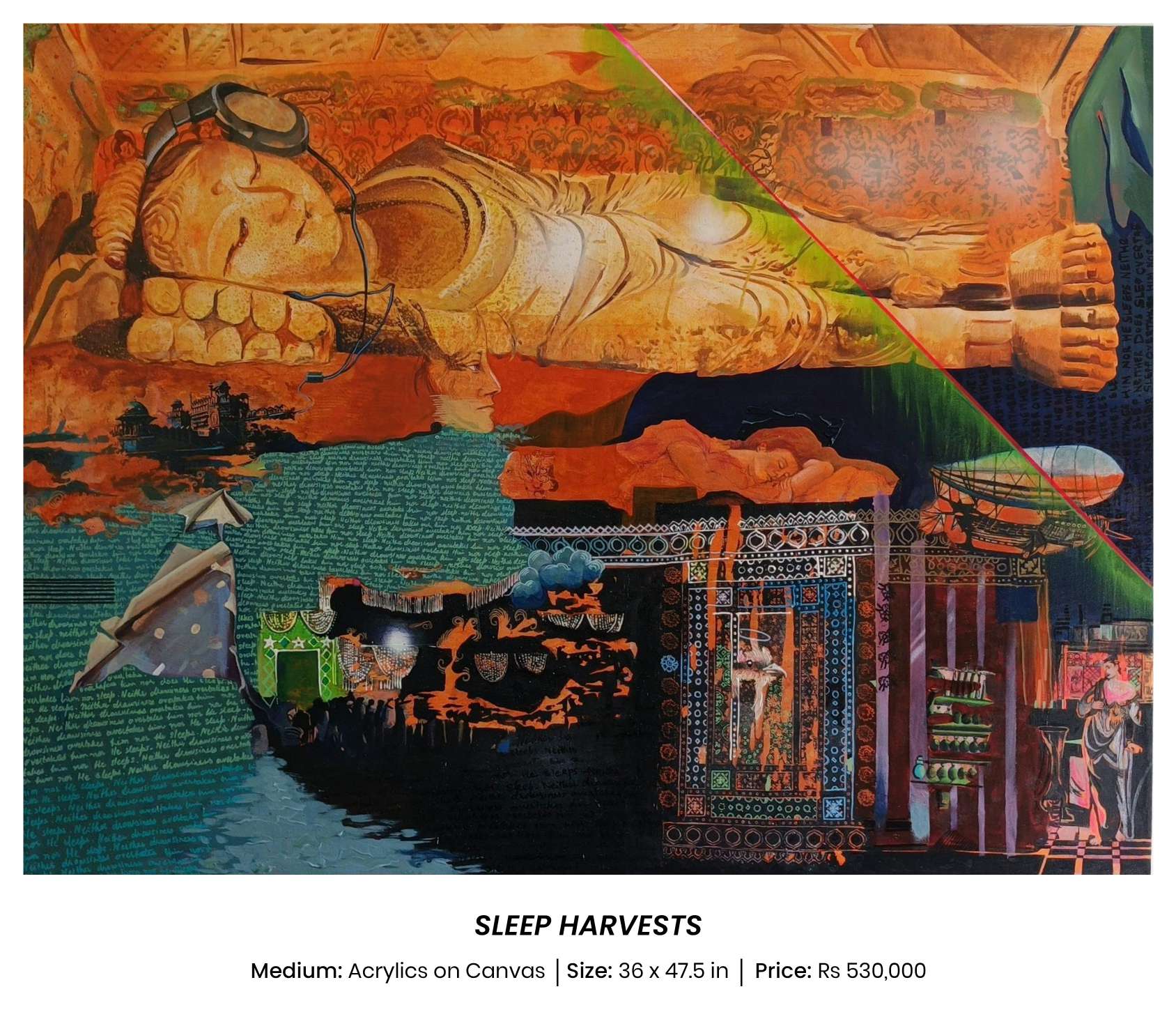
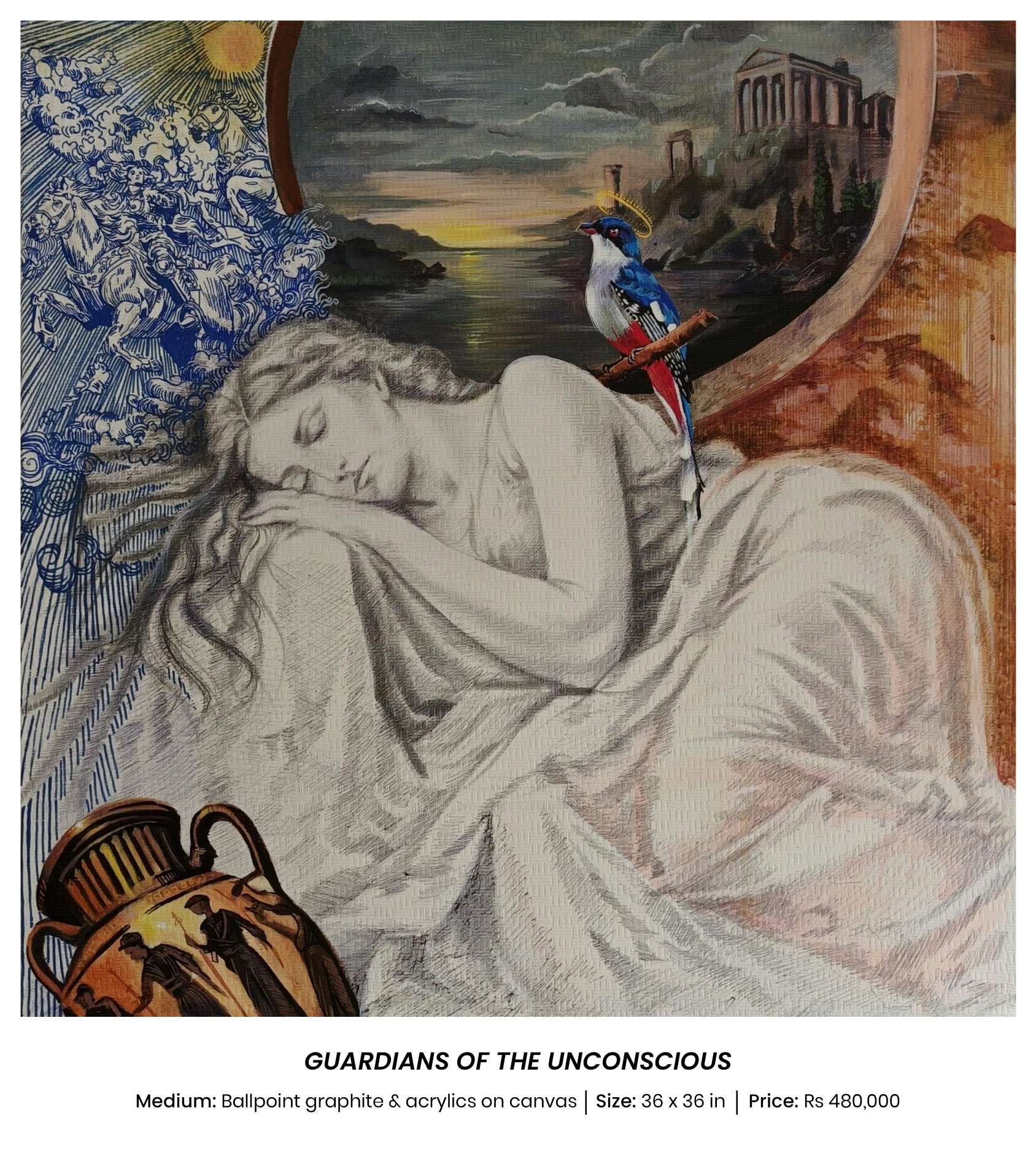
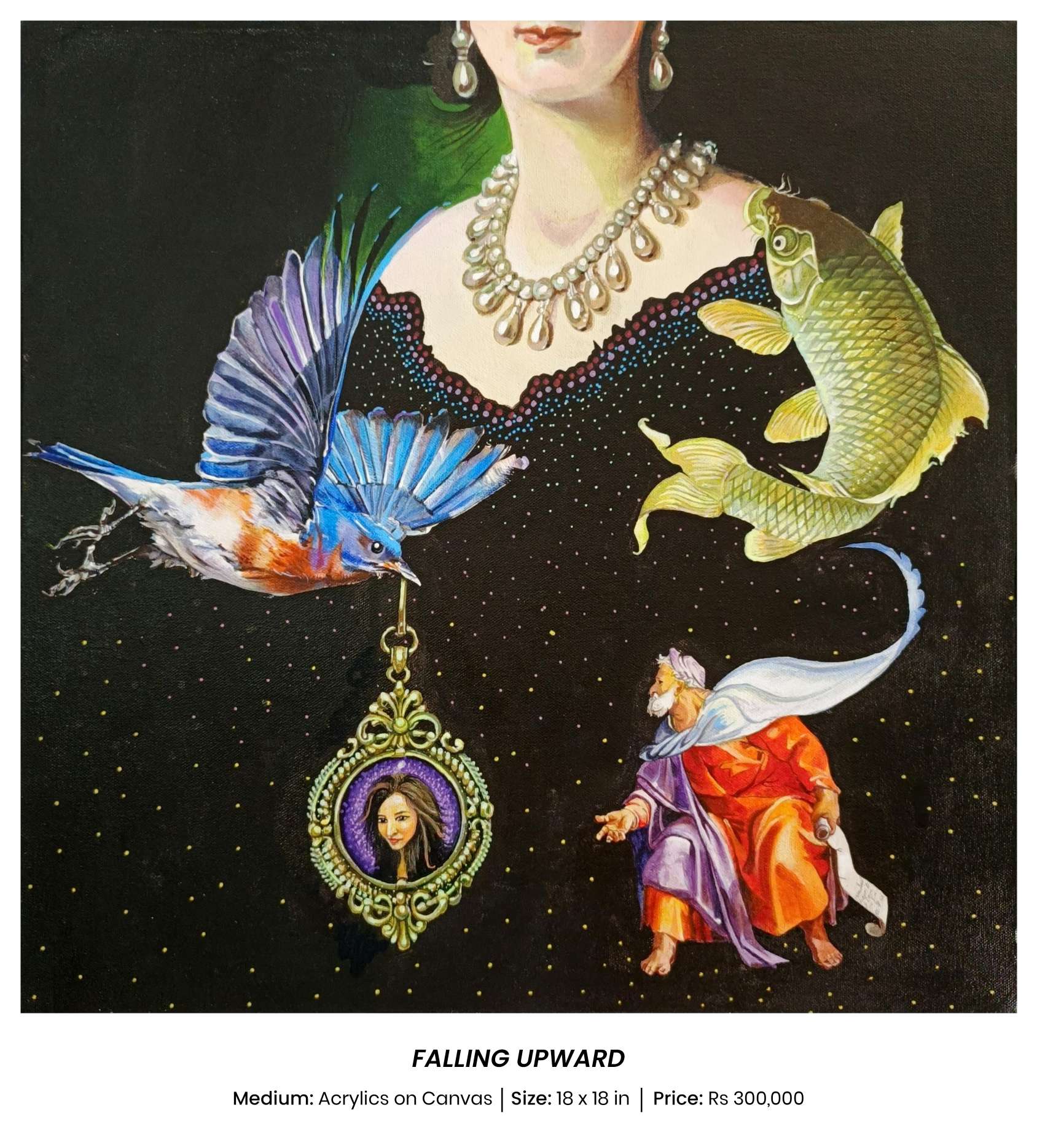
For Hira Siddiqui, sleep is not merely rest; it becomes a shifting visual territory. Familiar art-historical references are rearranged and recontextualised in layered compositions that question authorship, memory and the uneasy logic of dreams. The result is an encounter between recognition and disorientation.
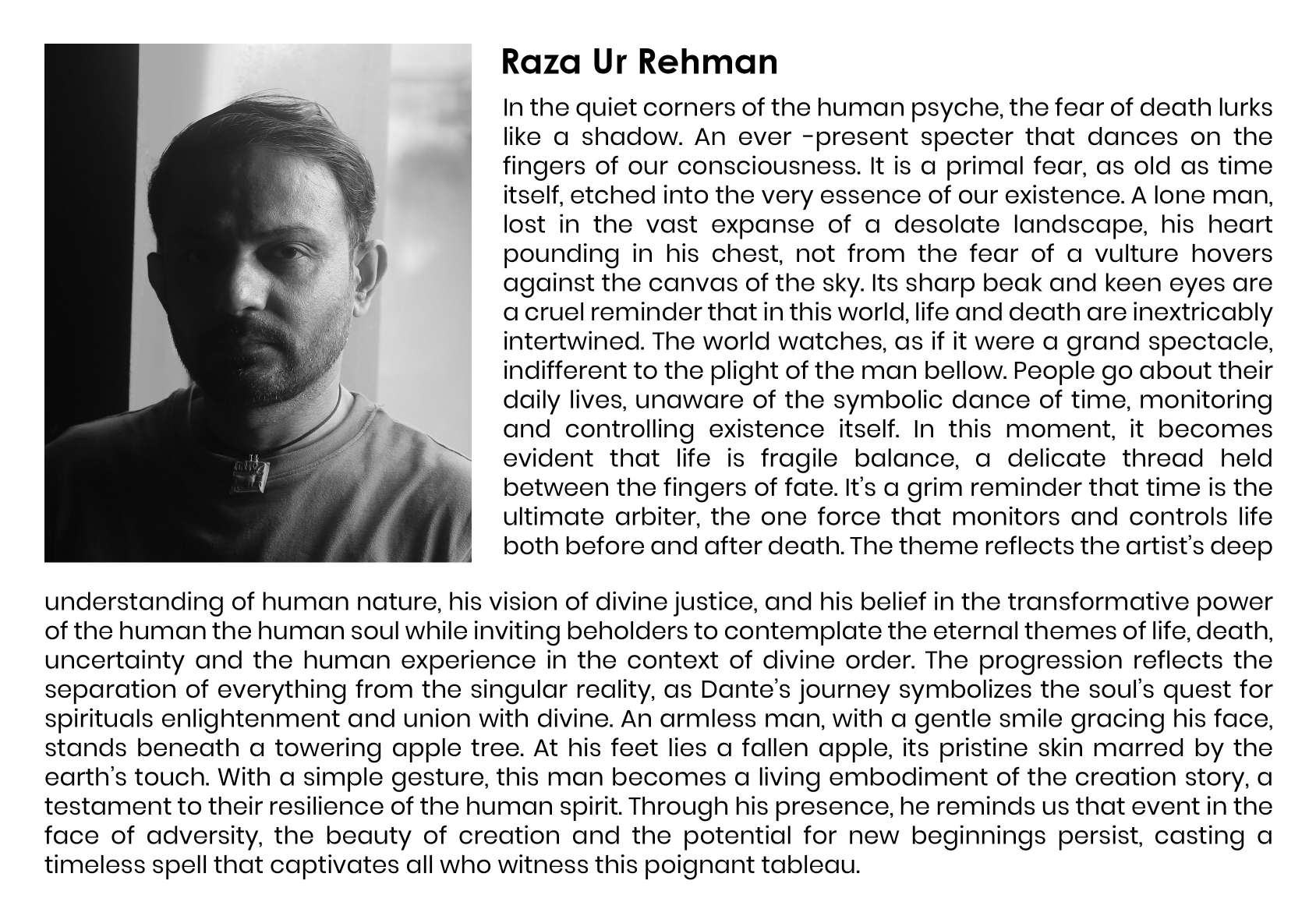
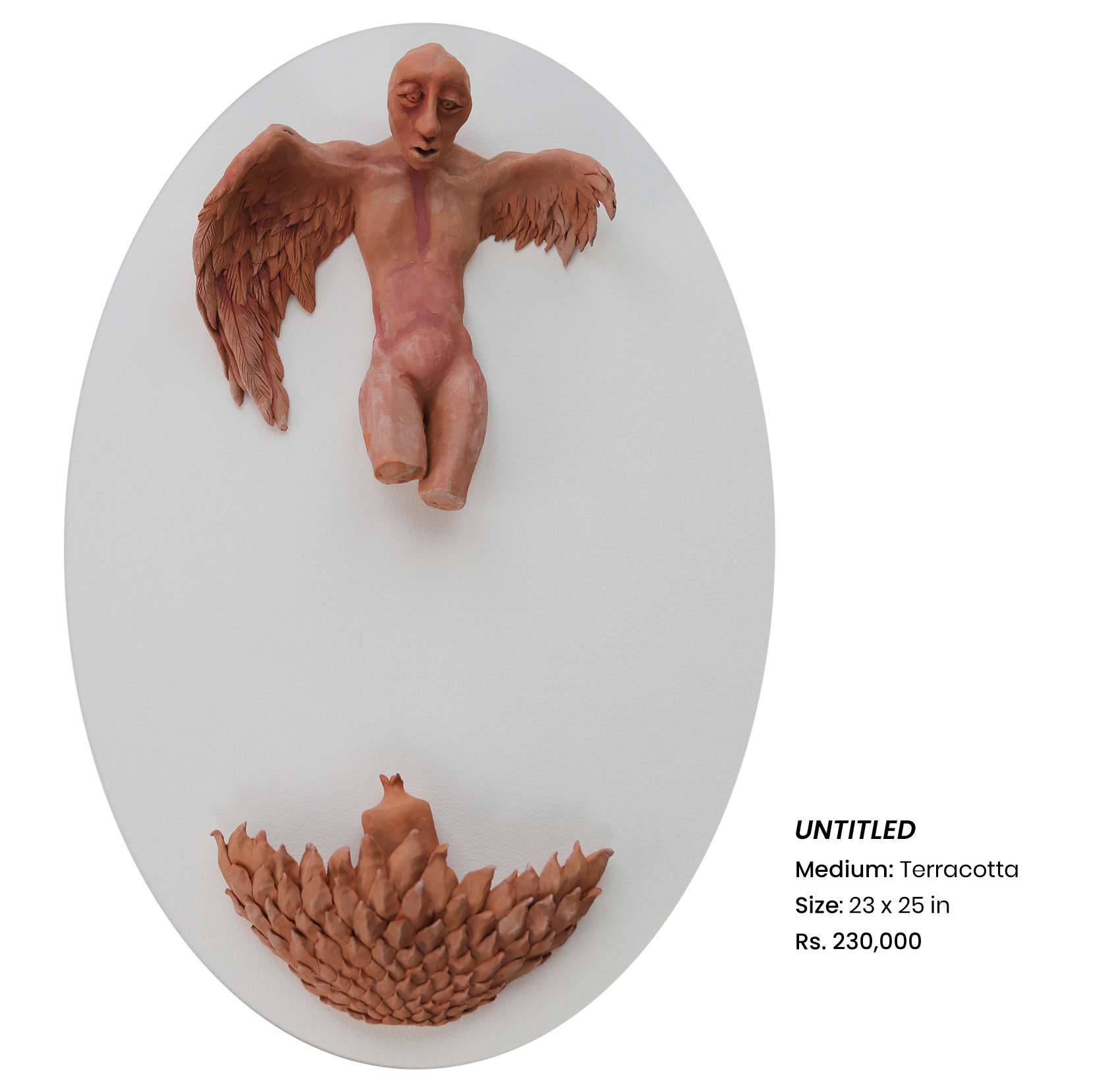
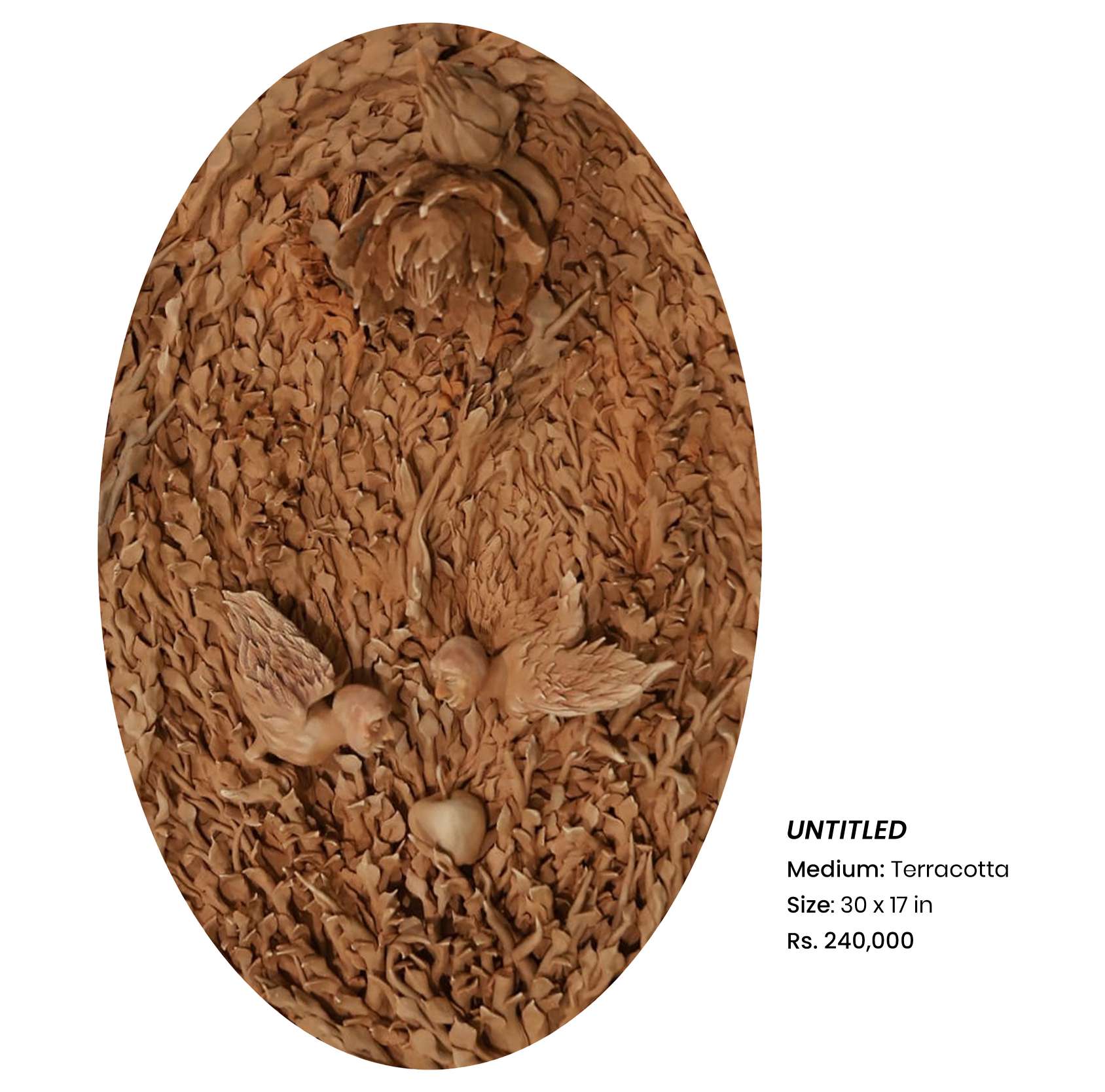
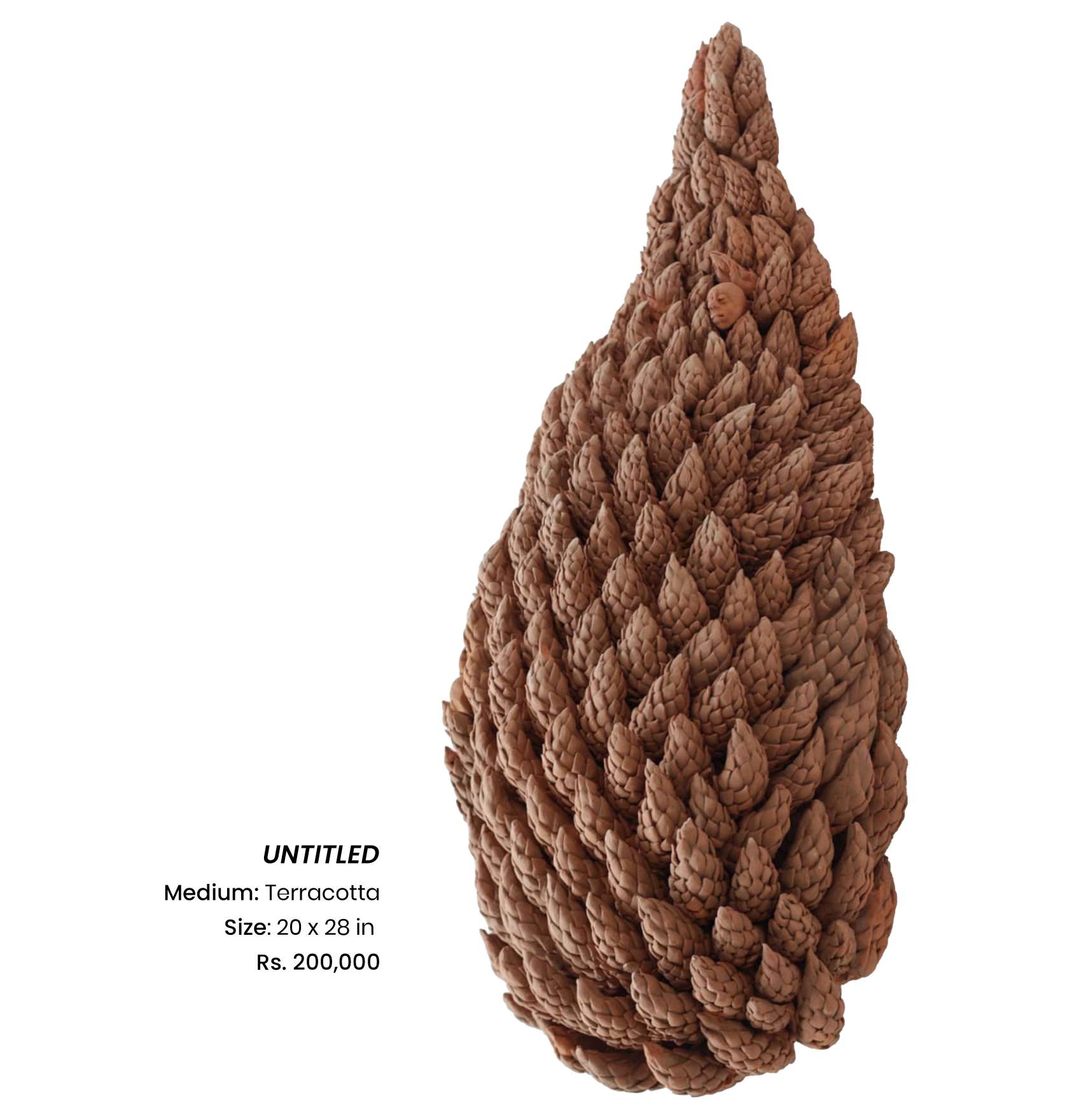
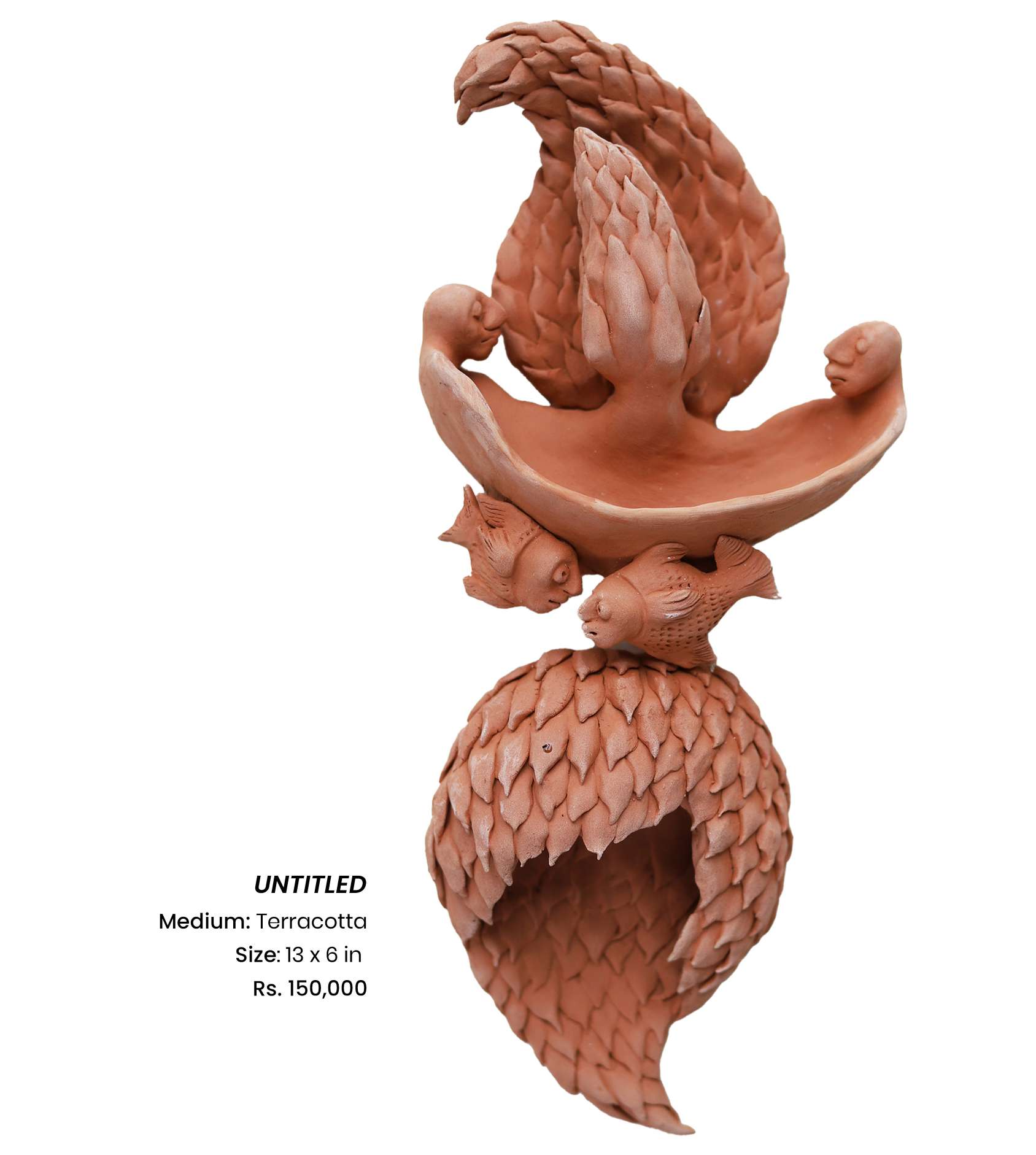
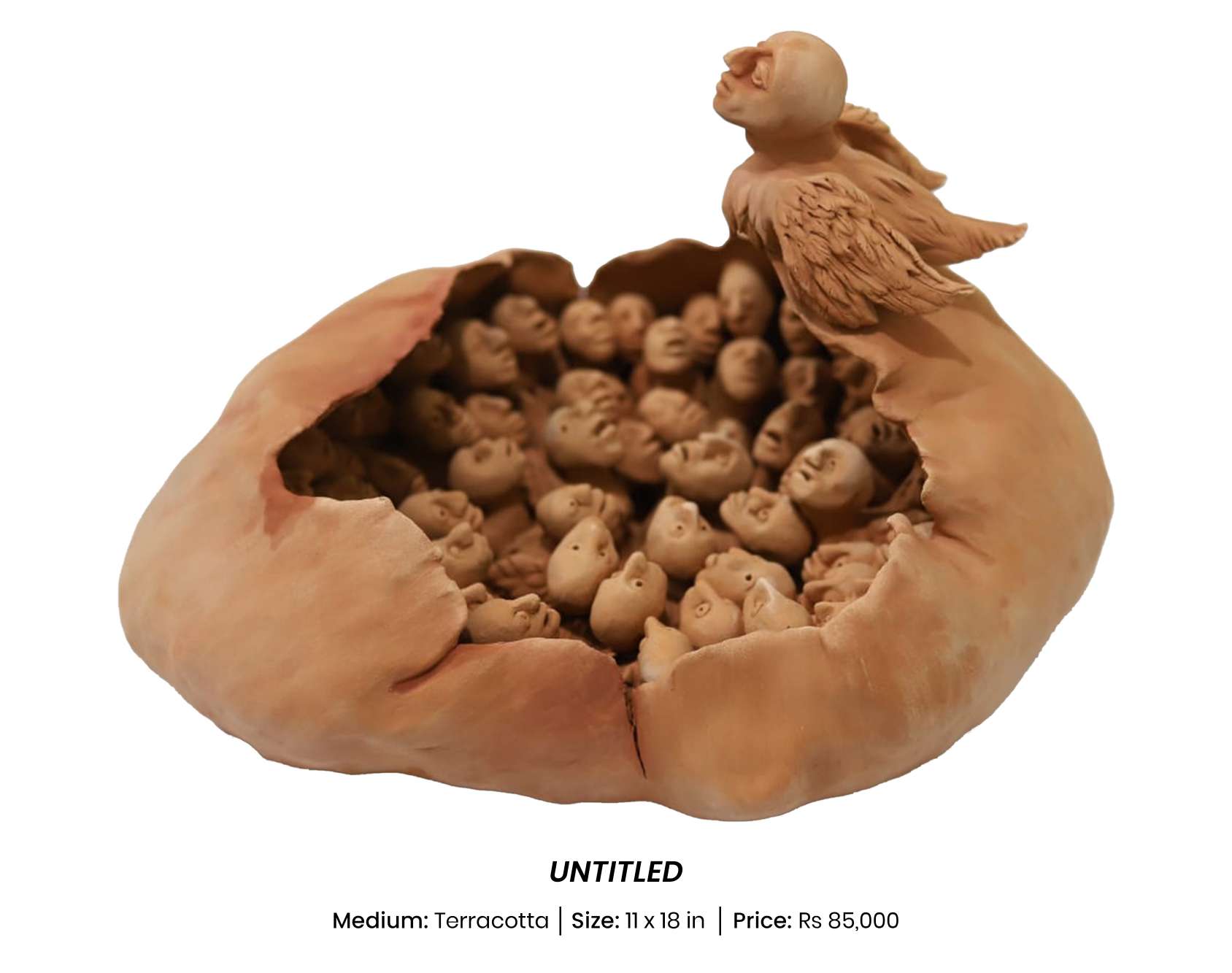
Raza ur Rehman turns toward the darker and more existential dimensions of human life. Through terracotta forms, his practice confronts mortality, the passage of time and the spiritual possibility of transformation. His sculptural language can be unsettling, yet it also makes room for reflection on resilience.
The curatorial conversation
Viewed together, these approaches form a dialogue between the intimate and the universal. The exhibition’s strength lies in its range: the emotional intensity of painting exists alongside the tactile presence of sculpture, while familiar cultural references move into psychological and philosophical territory.
There is no need to force these works into a single interpretation. Their differences are precisely what make them interesting. From the persistence of longing to the instability of memory and the inevitability of change, Autumn Stories leaves viewers with questions worth carrying beyond the gallery.
Editorial feature by Cosmopolitan Art Magazine Pakistan. Interpretation informed by the exhibition catalogue and the participating artists’ statements. The exhibition was presented by Pakistan Art Forum; this is independent editorial coverage, not a claim of curatorial involvement.